by Ivy Bergstrom | Feb 15, 2021 | Animal Health
Everyone likes to rock their own style of shoes, boots, heels, sneakers, sandals, crocs, or even some fish flops if you’re brave. They have many purposes – speed, sturdiness, ease of cleaning, weather-ability, etc.. The main reason people wear shoes is safety and comfort. The same goes for horseshoes.
What is the Purpose of Horseshoes?
Your horse’s safety is always a priority, and horseshoes provide just that. Horse hooves naturally wear down with use and can lead to problems with balance, speed, and comfort. The keratin of the hoof resembles human fingernails – they are a tough protein that protects soft, vulnerable skin underneath (in the horse’s case, the inner soft skin is called the “frog”).
Horseshoes keep the horse’s hoof from wearing down unevenly and provide protection from moisture, overuse, and cracking. As I mentioned before, poor hoof condition leads to a variety of health and walking issues, so horseshoes are very important to performance and safety. They also provide traction and can even correct walking habits.
Do Racehorses Wear Different Types of Horseshoes?
Just like different types of running shoes for humans, horseshoes can vary based on the needs of the horse, the trainer, and the surface that they’re running on. Since racehorses work hard, the safety of their hooves and legs are a must. Lightweight horseshoes are key to helping the horse run at top efficiency.
Aluminum horseshoes are a popular choice for racehorses since they have great traction and are lightweight. Toe grabs can also be attached for additional traction at higher speeds. If a racehorse does get injured, corrective shoes are worn for healing and good form.
What Are the Different Types of Horseshoes?
Your horse may benefit from a specific type of horseshoe depending on their activity and condition. Let’s go through a few of the common ones:
- Regular Horseshoe
- The most common design – also called a keg shoe if made by a machine. It supports and protects a normal horse hoof.
- Bar Shoe
- As the name implies, this shoe has a bar on the back for extra support in the back of the hoof, heel, and leg.
- Heart Bar
- Heart bars have a v-shaped piece of metal that supports the frog. They are usually fitted for horses who have laminitis, a crippling disease if not treated. There can be padding between the metal and the frog for added comfort.
How Is the Horseshoe Put on the Horse?
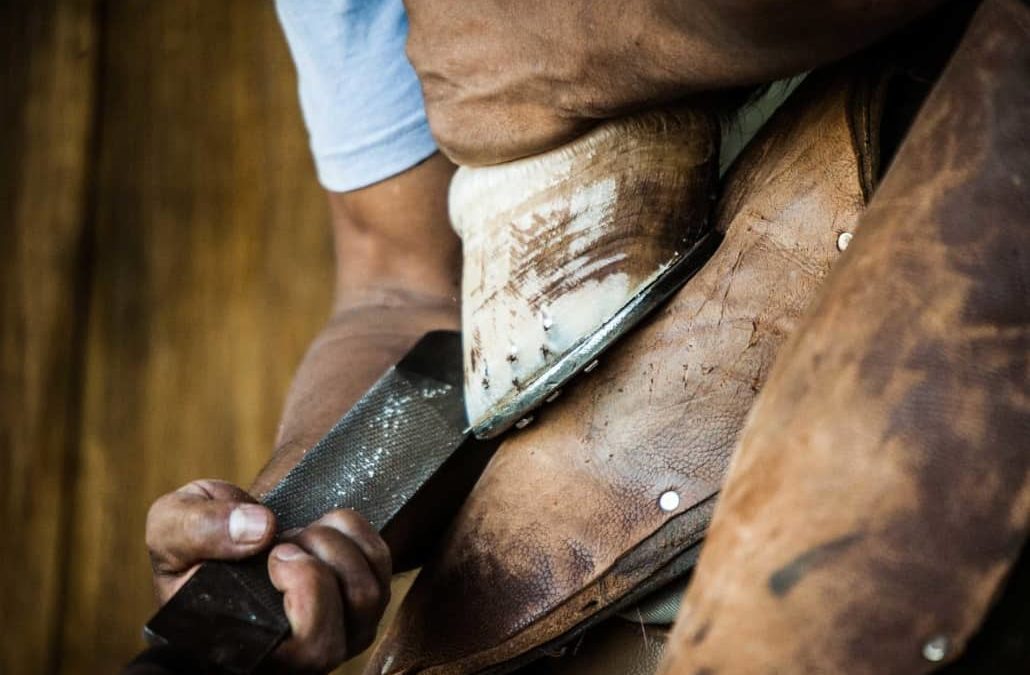
Farriers are people who are trained to put on horseshoes. They use nails to secure the shoe to the hoof. Although it may sound scary, the attachment process is painless if done the right way. It’s similar to cutting human nails – we don’t feel it.
Once attached, the farrier will file down any hooks or sharp edges for the best fit. The hoof will continuously grow, so once it goes beyond the horseshoe, it’s time to re-fit.
How to Choose A Farrier
Before choosing your farrier, you may want to ask them some questions:
- Are they certified?
- What is their experience?
- Do they have experience putting on all types of horseshoes?
- Where did they learn how?
- Do they re-fit on a regular schedule?
- Can they identify any hoof-related issues if they arise?
- What is their price?
Finding a good value is important, but going with the cheapest option before doing more background research isn’t always the best choice. Your horse’s safety should come first, and the team at BRD Vet Rx is ready to help when you need it. View our products or contact us today for all your horse health care needs.
by Ivy Bergstrom | Feb 1, 2021 | Animal Health
Signs of Horse Affection
With Valentine’s Day right around the corner, we’re feeling the love in the air. Love for ourselves, our loved ones, the opportunities that lay in front of us, and love for our animal companions! You may find yourself wondering: “Does my horse like me? How will I know?”. Horse affection can be shown many ways, so we want to share some signs to look out for.
1. Your Horse Comes to You Naturally
Many horses are driven by the delicious appeal of food. If your horse stops eating to come over to you, they are showing that you are more important than their current meal. Staying calm and affectionate around your horse as much as possible will make them feel safe and more likely to come over to you without being asked.
2. They Listen to Your Commands
Have you noticed that horses will try to assert dominance every time a new horse is brought into the pasture? As herd animals, horses have a pecking order and establishing dominance is an expected behavior. This doesn’t change when they’re around humans – they might try to disobey you or buck to show that they are calling the shots.
One major sign of horse affection is when they accept you as their leader and listen to your instructions with respect. When this happens, you and your horse are much more likely to form a closer bond. They enjoy having a kind leader, even if they also want to be the alpha of their herd. Spending quality time with your horse will only strengthen this bond.
3. Nuzzling and Nickering
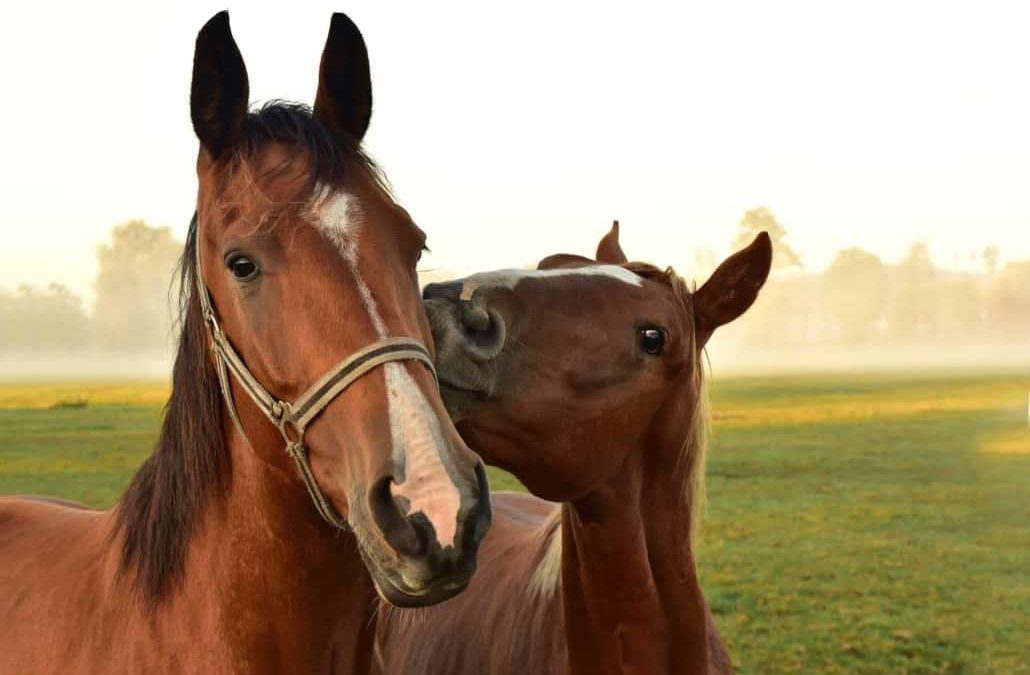
If your horse lets out a soft whinny or nicker when they see you, it’s a good thing! This is their way of expressing that they are happy to see you. Nuzzling is another form of affection. Whether they softly nudge or rub their lips on your shoulder, hand, or head, they are enjoying your presence. They may even give you a little kiss!
4. They Lean Against You
You may have noticed your horse leaning into you when you groom, pet, massage, or scratch them. This sign of horse affection is easy to notice and awfully cute. It’s also a sign that they trust you and see you as their leader. This is a good benchmark for knowing how your companion feels about you.
There you have it. As you strengthen your connection with your equine companion, keep an eye out for these signs of affection. Feel free to give some affection back with a treat, some pampering, and positive words of affirmation.
Instead of wondering: “Does my horse like me?”, think of ways you can make them feel more happy and at ease. They are very emotional creatures who can sense your emotions, so make sure to radiate peacefulness for the best opportunities to bond.
If you are looking to improve your horse’s health or have any questions about your horse’s behavior, contact the horse health care experts at BRD Vet Rx. We have been specializing in helping your equine companion feel and perform their best for almost 100 years.

by Ivy Bergstrom | Jan 18, 2021 | Animal Health
Your horse’s eyes serve many purposes beyond giving you that look that says “one more treat, please!”. As a prey animal, the eyes are on the side of their head, giving them close to a 360 degree field of vision. Their eyes are also sensitive to movement, thanks to being a prey animal. You may wonder if horse night vision plays a part in their biology – keep reading to find out!
Horse Night Vision – Fact or Fake?
Take your guess. Ok, got it? And the winner is…fact! Horse night vision is indeed better than human night vision. Your equine companion has eyes that contain more rods to cones 20:1 compared to humans, which allows them to see better (the rod cells specialize in light sensitivity, the cones are more sensitive to color).
Horse vision is also built better for nighttime because their eyes have a secret weapon: the tapetum lucidum. This is a layer of tissue behind their retina that reflects light, allowing them to see better in the dark. But be wary – horses take longer than humans to adjust to changes in light. Let your companion acclimate to changes in light before making them move around too much.
Why Is Horse Night Vision Useful?
Horses have the same level of vision under full moonlight as they do during the middle of a sunny day, isn’t that neat? So, what’s the purpose of this? As I touched on earlier, horses are prey animals. In the wild, it’s important that a horse can better sense its surroundings at night to detect possible predators.
Now, pretend you’re on a nighttime trail ride. The moon illuminates the path in front of you, but you cannot see past its cute little ears. A large tree stump sits on the path ahead, and you have no idea it’s there. Your horse may not know what that large object blocking your trail is, but they will know to trot around it.
Can All Horses See Well in the Dark?
Generally speaking, yes. Some breeds (primarily Appaloosas) experience genetic Congenital Stationary Night Blindness (CSNB), but it is pretty rare. Other horse vision issues can interfere with their eyesight as well, but as long as you’re investing in good horse health care, you’ll avoid most issues. Make sure to take your horse in for routine checkups, and call a professional if you’re concerned about their vision.
Other Horse Vision Facts
One of my favorite bits of information is that horses can switch between monocular and binocular vision – meaning they have the option to see different things with each eye. It’s also worthy to note that horses have a blind spot directly in front of and behind them when they are looking straight ahead with their neck straight. Horses can see colors, but in a much more muted palette than humans do.
According to Equisearch.com, researchers have also tested how sharp a horse’s vision is with an experiment. Trained horses were shown images of vertical black and white stripes, and the widths narrowed until the horses could no longer tell a difference. They scored a 20/30, meaning your horse could probably pass a drivers’ license eye exam.
And, there you have it – your horse can see better than you at night. Pretty amazing, right? If you have any questions about your horse’s vision, feel free to contact the horse health care experts at BRD Vet Rx.
by Ivy Bergstrom | Jan 4, 2021 | Animal Health
Finally, it’s a new year. We can leave the struggles of 2020 behind us, and look forward to what 2021 has to offer! As you set your own goals, I’m sure that you are also making some goals for your equine companion. Let’s go over some horse training tips to guide you as you smash your milestones along the way.
Horse Training Tips – Building Trust Through the Basics
Any good relationship or skill starts with a strong foundation. Before you start making commands, take some time to check in with your horse. How have you two been connecting lately? Do they physically or behaviorally seem off?
Involved horse health care is important for your companion to be in the right mindset to learn. If you’re looking for ways to strengthen trust, try some bonding activities such as massaging while grooming, going for a walk, reading to them, etc.. They will feel safer around you, and more open to learning.
Patience is Key
We all know the saying “You can lead a horse to water, but you can’t make it drink”. Well, make sure you’re not yelling at your horse, pushing it’s head down towards the water, or yanking it away when it won’t take a drink. This won’t help anyone, but it may destroy trust and give your horse a fear of water.
Forcing your horse to do things they aren’t ready for will only slow progress and hurt your relationship in the long run. Take your time – don’t put yourself (or your horse) on too strict of a timeline for learning something.
It’s all about working smarter, not harder. Come up with a plan, take breaks when you both need it, and let your horse take its time. You will thank yourself in the future.
Make A Plan
As I said earlier in this article – work smarter, not harder. You probably have some goals in mind, but looking into them further will make your horse training process more efficient. Start by looking at the big picture, then picking it apart.
For example, let’s say you want your horse to perform better. Performance could mean speed, agility, reaction time, listening skills, etc. Make each of these a separate goal.
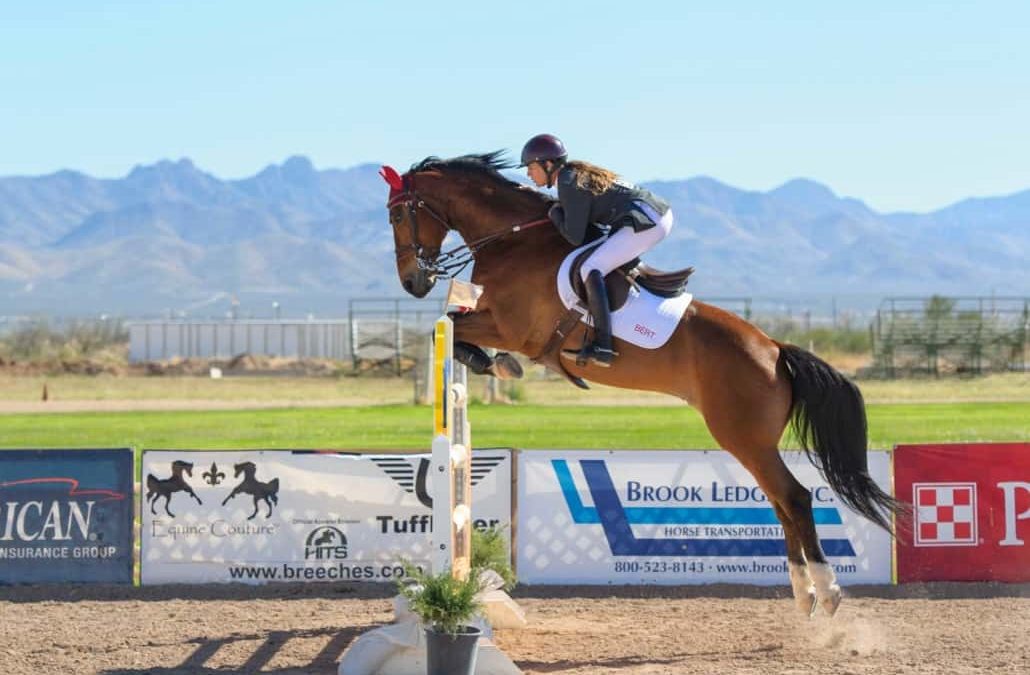
If you want to increase agility, think of different tasks that could help your horse with this, such as practicing different heights of jumps or dodging objects in a course. Work down your list, and you will waste less time practicing without intention.
Don’t Forget to Have Fun!
Ok, you’re probably thinking “Duh, thank you captain obvious”, but it can be really easy to get wrapped up in expectations. Horses are such kind, loving, and smart creatures. So are you.
Having fun is one of the most important horse training tips you can remember – it’s about the journey, not the destination.
As you’re grinning at the finish line, prize medal in hand, you’re going to want to remember all the good times that you and your horse had along the way – not the frustrated screams and exhausted give-ups. With a thought-out plan and an even better attitude, you and your horse will go far in 2021!
The horse health care team at BRD Vet Rx hopes that you hit the ground running in 2021 with motivated minds and healthy horses. We have been helping horses feel their best for almost 100 years, feel free to contact us or view our products anytime.
by Ivy Bergstrom | Dec 15, 2020 | Animal Health
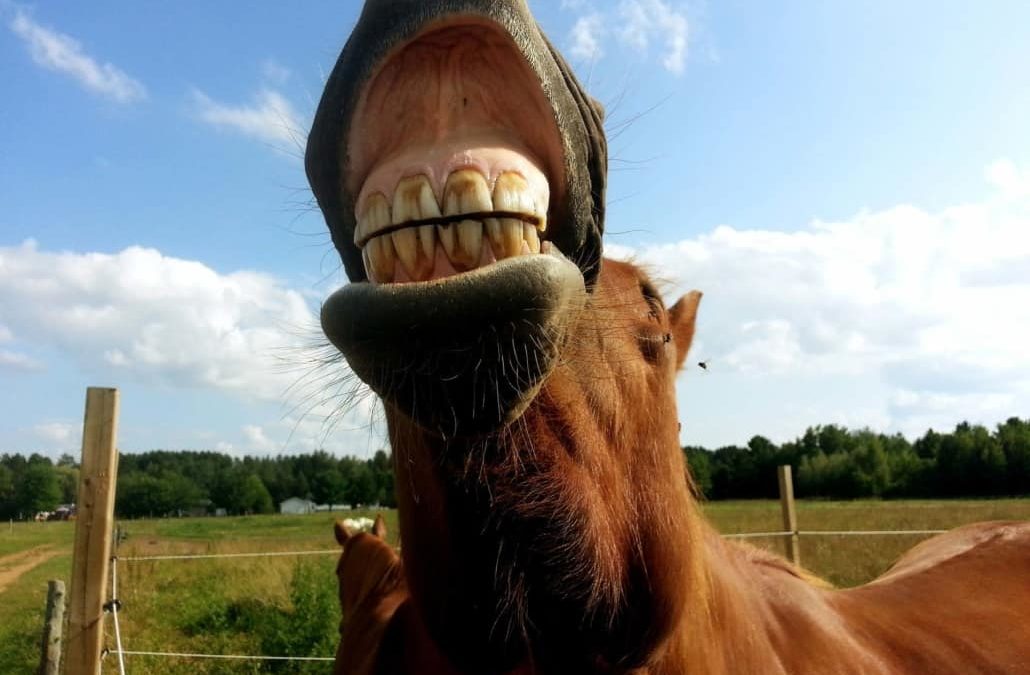
Did you know that you can tell a horse’s age by its teeth? These herbivores use their teeth to munch on grass, hay, and other treats all day long to get proper nutrients and energy. Because of this, it’s important that their chompers are strong, healthy, and are developing properly. Just like how you may notice a cavity from eating too many sweets, there are some common horse dental problems that you should look out for.
Cap Teeth in Young Horses
Young horses will lose their “baby teeth” (also known as milk or deciduous teeth). This is a healthy and normal process, so be on the lookout for spare teeth laying around. Some baby teeth may not come out as intended, and this leaves opportunity for discomfort and infection.
A common horse dental problem is cap teeth – where the baby tooth sits above an adult tooth as it grows in. More common in back teeth, these problem-causers can be hard to spot. Signs of cap teeth include:
- Drooling
- Foaming
- Bad Breath Odor
- Quidding (spitting out cuds of hay)
- Abnormal Chewing or jaw holding
- Head tossing
- Spilling food while eating grain
If you notice these symptoms, it’s time to call your horse health care professional. Cap teeth cause discomfort and can rob your developing horse of the nutrients its trying to get through its diet.
What is Floating & How Often Should it Happen?
As I said before, horse’s teeth grow and change throughout their lifetime. This is why the horse itself can have a longer life than its teeth – causing tooth loss and gaps into old age. As the teeth change, they can develop sharp edges and points, which can cut and/or irritate their tongue and cheeks. No one wants to deal with painful sores and abscesses, not even horses.
In order to fight this common horse dental health care problem, your companion should get their teeth floated at least once a year. Floating is the process of filing down those sharp edges and hooks as they develop, preventing them from causing any damage. Make sure that you have a trusted horse health care professional complete this process to prevent further damage or pain.
Signs that your horse needs its teeth floated are:
- Unusual head movements
- Dropping grain as they eat
- Undigested food in their manure
- Acting up under the saddle and bridle
- Excessive salivating
- Soaking their food in water
- Showing general discomfort or struggle during meal times
What Are Some Other Common Horse Dental Problems?
Some other common dental problems that horses run into are:
- Wearing of the teeth
- Extra teeth (also known as wolf teeth or tushes)
- Tooth loss due to aging
- Decay
- Wave Mouth
- And more
Every horse is different and will experience different growing pains (literally), so if you notice the common symptoms of bad breath, struggling to eat, or head tossing, it’s worth taking a closer look. If you don’t know what’s going on, make sure to contact your horse health care specialist. They may have a better idea based on the symptoms you see and can suggest the next steps.
The horse health care specialists at BRD Vet Rx has been helping equine companions feel and perform their best for almost 100 years. We love horses and our passion is to see them thrive. View our handmade products here – we will continue to help horses through our trusted compounding pharmacy.

by Ivy Bergstrom | Nov 30, 2020 | Animal Health
Start Thinking About Healthy Senior Horse Care
Many things become better with time. Skills, understanding yourself, wisdom…all of these things wouldn’t be what they are if it wasn’t for the time they’ve witnessed. Although wisdom may come with age for both humans and horses, there are some downsides to balance out the scale.
Increased health risks and decreased vibrance of the body are to be expected. Creating a healthy senior horse care plan can prevent unnecessary stress down the line – it’s better to prepare than react in moments of uncertainty. In this article, we will give you some ideas and inspiration to get you started on a healthy senior horse health care plan.
1. Regular Horse Health Checkups Are A Must
It’s no surprise that routine horse health care checkups throughout the entire life of your companion are important. They help you see any early signs of future health risks, and catch any health/comfort issues that may be happening below the surface of your happy horse. You will have a better idea of what to expect when your horse ages if you are tracking its health throughout its maturing years.
2. Learn Your Horse Health Care Benchmarks
As you’re taking your horse to the clinic for regular checkups, have your vet record the stats of your horse every time. This could include weight, health risks, pulse, temperature, respiration, and more. They should have a record of the numbers anyway, so it shouldn’t be a hassle to get them.
You can keep a personal record of these expected results to easily find gradual adjustments and/or abnormalities as your horse ages. Taking photos of your horse from different angles can help give the vet a better idea on what has changed when you do run into changes/issues with age. Having a baseline is a great first step to healthy senior horse care.
3. Plan For Decreased Nutrient Absorption
Nutrition is a large factor to discuss with healthy senior horse care. Parasitic worms compete for nutrients and can leave scarring on the intestine, causing chronic mucosal damage and less efficient absorption rates.
Aside from parasitic damage, normal aging weakens the mucous lining of the intestine on its own, and research shows that phosphorus, vitamins, and protein becomes more difficult to fully absorb within the horse. Ask your vet how to prepare for these issues as your horse ages – whether that means an adjustment to their current diet, or signs to look for.
4. Encourage Healthy Joints
Just like people, older horses are more prone to experience arthritis. Factors such as diet, movement routines, and environment can all influence the future of your horse’s joint health. Ask your vet how you can optimize this mix to keep your horse moving comfortably as it ages.
Adjusted bedding such as increased hay or rubber mats will allow your horse to easily get up as it pleases without extra joint pain. Horse health care prescriptions will also make sure that your horse is comfortable to move and exercise as it pleases.
Pay Attention To Signs
Now you’ll have a more organized way to track your horse’s health and set it up for a graceful aging process. That’s awesome! Remember to keep your eye out for any physical or behavioral differences in your horse. If there’s an issue, they’ll usually try and communicate it somehow.
At BRD Vet Rx, our passion is helping horses be their happiest and healthiest – we’ve been doing just that for almost 100 years! Contact us today to learn how we can improve your horse’s quality of life.