by Ivy Bergstrom | May 10, 2021 | Animal Health
What is Thrush In Horses?
We all know someone who has smelly feet – whether it be from poor hygiene or just bad luck, it’s not enjoyable for anyone involved. However, if you’re smelling something that reminds you of rotting dairy around your horse’s hoof, you should probably take a closer look. Thrush in horses may be the culprit – lets learn more about it.
Thrush is a painful, non-contagious bacterial infection that infects your horse’s hoof. Bacteria, fungi, and microbes can get into the frog (soft tissue area between the heel and walls of hoof) and cause an infection. The bacteria will ferment in the frog, and make it deteriorate over time.
The result of the infection is a thick, black discharge from the frog smelling similar to rotten dairy. Gross, right? Thrush in horses can be extremely painful, and even cause lameness if left untreated. Some horses are more likely to get infected than others.
How To Prevent Thrush In Horses
Although thrush may seem intimidating and dangerous, preventing it can be as easy as keeping your stall clean. Dark, wet conditions are perfect for thrush-causing bacteria to grow, so avoiding these conditions will help reduce the risk. Manure, wet hay, dirt, and other organic materials are straightforward ways for bacteria to find their way to your horse’s frog and start causing trouble, for example.
Keep Stalls Clean
To minimize the risk of infection, keeping the stalls clean is crucial. This way, your horse will be less likely to have these materials caked up on their hooves. There are many other benefits to regular stall cleaning, too.
Clean Hooves Daily
One of the most straightforward ways to prevent thrush in horses is to clear their hooves of manure, dirt, hay, and other organic matter. If you keep this up every day, it’s much less likely that you’ll see an infection. Another benefit is that if your horse does get an infection, you’ll be able to catch it early on. Use this time to build trust with your horse while keeping them safe with proper hoof care.
Hoof It, Baby!
Exercise is a great way to prevent thrush in horses while staying healthy. Movement encourages the frog to naturally flush and clean itself out, and your horse will feel better overall. Just make sure that you don’t let the hooves get too dirty in the first place.
How to Treat Thrush In Horses
The sooner you realize your horse has thrush, the better. If it’s early in the infection stages, a topical ointment is key for treating and fighting further infection. If the infection looks bad or if you’re not sure what stage it’s in, you should call your trusted horse health care professional for an evaluation and further instruction.
A farrier can also treat the thrush. They might treat it like an unclean wound – trimming away the dead tissue on the frog and cleaning it. Trimming the frog to be on the same level as the heel and hoof will promote healthy growth in the future, too.
BRD Vet Rx has been helping horses stay happy and healthy for almost 100 years. View our products or contact us today to learn more.
by Ivy Bergstrom | Apr 26, 2021 | Animal Health
Spring cleaning. Whether those words are music to your ears or make you shudder with fear, it’s that time of year. Keeping your horse happy and healthy is a priority all year long, but Spring is the perfect time to take a closer look at where your horse is living (and look into deworming). To make this process easy and helpful, we have collected some horse stall cleaning tips for you.
Why Is Horse Stall Cleaning Important?
Since your horse spends a decent amount of time in its stall, it understandably gets dirty. Although smelly smells and wetness are unpleasant, they can also indicate that there are some more potentially harmful issues going on. Routine checkups on the stall can catch these issues before they cause any harm or become a bigger beast to deal with.
Build A Routine
When you go into a task with a thought-out plan, you work more efficiently. It can be intimidating when there’s a lot of work to do, so pick apart every step of the process. Horse stall cleaning is much more manageable when you know what you have to do, and in what order it makes sense.
This way, you’ll hit the ground running (or scooping) and you’ll spend less time trying to figure out the best way to go about it. Deciding which direction you want to work (front to back, side to side, etc) will also make things easier.
Watch Out For Ammonia
As you may know, ammonia is a noxious gas that can be released through urination. When humans, horses, and other animals are exposed to high levels of the non-visible gas, it can start to negatively affect your body. Your eyes, lungs, and throat may feel a burning sensation, and it can lead to harmful respiratory issues for all parties. If you experience this, urine for a bad time.
Luckily, there are many ways to keep ammonia levels low in your horse’s stall. Cleaning on a regular basis, setting up proper ventilation, drainage options, and monitoring protein intake in your horse’s diet are just a few ways to help. If you’re concerned about ammonia at any time, don’t hesitate to reach out to your trusted horse health care professional.
Get the Right Horse Stall Cleaning Tools
Getting the right tools for the job will ensure that you’re working smarter, not harder. Getting a pitchfork that is lightweight and built for cleaning stalls will save you time and energy, for example. You can try different methods of cleaning, de-scenting, and mat types to find what you like best.
Keep Up With Maintenance
When you clean the stall, it might also be a good time to make sure that everything else is in working order. Water pipers, floor level, mat condition, protruding nails or other possible threats, dust, feeders, etc. need care too. Checking these regularly will help you avoid issues, or even a costly disaster. Keep a checklist of these items to make the process efficient and easy to track.
Make It Fun
Now that you’re ready to master your 2021 spring cleaning, you can personalize your experience. Do you prefer an empty stall, or a cute companion to be there while you clean? Maybe even make it fun with some music and reward yourself with a tasty treat afterwards.
However you prefer to clean your horse’s stall, we hope that these tips help you out. BRD Vet Rx has been helping horses live their happiest and healthiest lives for almost 100 years, and we will always be here for your horse health needs. View our products or give us a call today, we’d love to hear from you.
by Ivy Bergstrom | Apr 14, 2021 | Animal Health
We all know that one cheese-lover who is lactose intolerant. Sad, right? Just like how some humans need a special diet to avoid gastrointestinal distress, horse owners also need to keep track of what they’re feeding their equine companions to avoid colic.
What is Colic in Horses?
Horses have a unique and fragile gastrointestinal system that makes them more prone to abdominal pain and complications. Colic is an umbrella term that means pain in the abdomen, or any related issues. It can range from discomfort to deadly, so knowing how to prevent it could save your horse’s life.
What Causes Colic?
There is a variety of causes when it comes to Colic, ranging from dietary issues to behavior. Some examples are:
- Too much grain in the diet
- Lack of forage in diet
- Parasites
- Stress
- Dental Problems
- Dehydration
- Tainted feed
- Sand ingestion
- Prolonged NSAIDS usage (non-steroidal anti-inflammatory drug)
There are more causes than what’s listed, but it’s important to know that Colic can be caused by things you may not expect. This way, you’ll know what to look out for.
Signs of Colic include pawing, rolling, bloating, lack of manure passing, excessive sweating, lack of sound from the stomach, disinterest in food and water, general distress, and more.
How to Prevent Colic in Horses
Preventing Colic with Diet
If you can give your horse the ability to graze, that’s great! The closer you can mimic a dietary regimen related to how horses eat in the wild, the better. Lots of foraged foods, with some added grains and supplements if they need more nutrients than what you can provide. You can get your hay analyzed for nutritional density if you’re curious, too.
Grain, sweet feed, and corn-based concentrates create gas because there isn’t enough time to properly digest it and absorb the sugars in the horse’s small intestine. It quickly moves towards the hind-gut, trapping the gas in the rear of the horse. The result is Colic from the painful pressure that the concentrates cause.
Oh, and avoid feeding your horse in sandy areas. Given that ingesting sand causes Colic, we think you get the idea.
Hydration is Key
Good hydration habits are very important when it comes to preventing Colic. Horses need lots of fluids for forage fermentation, food digestion, and much more. If they don’t get enough water, an impaction (blockage the bowel) could occur, along with many other ailments. Colic from impaction can be deadly if not treated, so pay very careful attention to this one.
Keep Up Healthy Habits
Routine floating of your horse’s teeth will ensure that they are able to fully chew their food, lessening the chances of intestinal blockage. Slacking on horse dental care can lead to its own issues, but being able to comfortably eat is a basic need.
Parasites are nasty lil buggers who can mess with multiple aspects of your companion’s health. Tapeworms and other parasites can be managed by knowing what to look out for and adopting a deworming routine that works for you.
Wrapping Up
On top of these tips, keeping an eye out for unusual behaviors from your horse can tell you if you should seek help. If you’re unsure, it’s better to be safe than sorry. Colic can be unpredictable and time is usually of the essence when it comes to their recovery. If you have further questions about Colic in horses, call your trusted horse health care professional.
BRD Vet Rx has been helping horses stay happy and healthy for almost 100 years. We love to see horses thrive, and are here for your equine pharmacy needs. Contact us today for more information.
by Ivy Bergstrom | Mar 29, 2021 | Animal Health
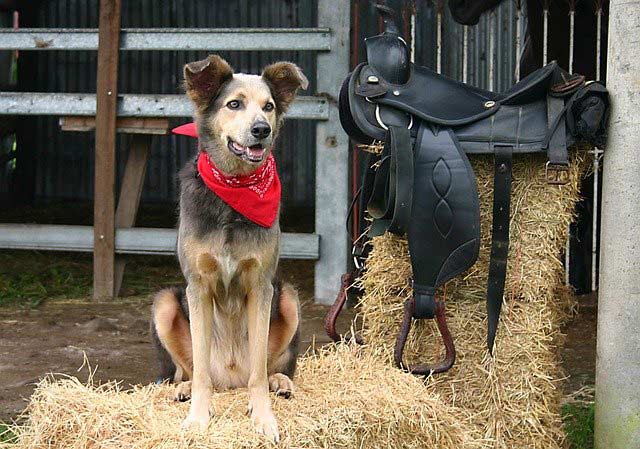
Why is Finding the Right Saddle Important?
Have you ever been hiking with a backpack that is the wrong size or isn’t fitted correctly? Your shoulders may ache, or you find yourself dealing with painful chafing as you walk. No one likes to deal with this – neither does your horse. Finding the right saddle is important to horse health and happiness, so let’s learn more about the process.
The differences that the right saddle can make could impact the entire life of your horse. A long, happy lifetime of rides and other fun memories with your horse is certainly better than dealing with a variety of health problems and pain. Your horse will have a better relationship with you, perform better, and be happier if they are comfortable with the equipment you put on them.
What Are the Different Types of Saddles?
Each horse owner has their own set of goals and expectations for their horse, and the right saddle will reflect them. Decide what activities your horse will be doing before you set out to saddle up. Here are a few examples:
Trail
This option is lightweight and comfortable, which is great for long rides. They sometimes come with strings to attach your gear. Trail saddles come in a variety of materials and color, allowing you to pick one that speaks to your style.
Ranch
Ranch saddles are heavyweight, comfortable, and meant for long working hours. They have a deep seat, and have features that prioritize functionality. Like the name implies, this might be a good option for a cattle rancher.
Barrel Racing
Built for barrel racing competitions, these saddles are lightweight and smaller, allowing the rider to maneuver turns easily while keeping them stable. They have a higher seat and wide swells that allow you to tuck the knees in.
Show
If you like fashion, these are for you. Show saddles are ornately decorated and meant to be shown off in the competition ring. Just like our fashion industry, show saddles have their own trends and endless customizable options. They aren’t great for dirty work, but they sure are pretty.
Pony
With around a 12” seat, pony saddles usually fit Shetland and Welsh ponies. They don’t fit full sized horses, so when the rider outgrows the pony, they will need a new saddle (even though the pony saddle is so stinkin’ cute).
These are just a few examples of what’s out there – when you’re serious about buying one, talk to a professional or get some recommendations from someone you trust.
How Do I Fit My Horse’s Saddle?
How you fit your saddle to your horse is just as important as buying the right kind. The wrong technique can interfere with your skill development and put you and your horse into a potentially dangerous situation. Here are a few tips for ensuring the best fit:
Let’s Get Physical
Fitness level, dietary habits, and natural aging will cause changes in the body of your companion. It might not be a bad idea to have a professional saddle fitter examine your horse once a year, or as you see fit.
Stuck in the Middle With You
Make sure that your saddle is centered by placing it on your horse’s back when they’re on flat ground. If it slides, it needs to be readjusted.
Why the Long Saddle?
Western style saddles should go over your horse’s shoulder and cover the lumbar portion of its back. Your weight distribution shouldn’t go beyond their last rib bone, but your saddle should.
Don’t Let Things Get Hairy
After testing the saddle, pull it off and examine how the hair is laying. It should be flattened evenly across the back. Not just along the spine or matted – this could be harmful for your horse.
Enjoy the Ride
The bond you share with your horse is priceless, even though your saddle may not be. Remember that you can’t put a set cost on the comfort and respect of your horse – make sure that you invest in a high-quality option that will meet the expectations of both of you. If you have further questions about the type or fit, professional fitters specialize in this knowledge and would be happy to help you.
When you have questions related to horse health, the team at BRD Vet Rx can offer assistance. Our passion is creating happy, healthy, and fulfilling lives for horses, and we look forward to helping you achieve just that. Give us a call today, and in the meantime – happy trails!
by Ivy Bergstrom | Mar 15, 2021 | Animal Health
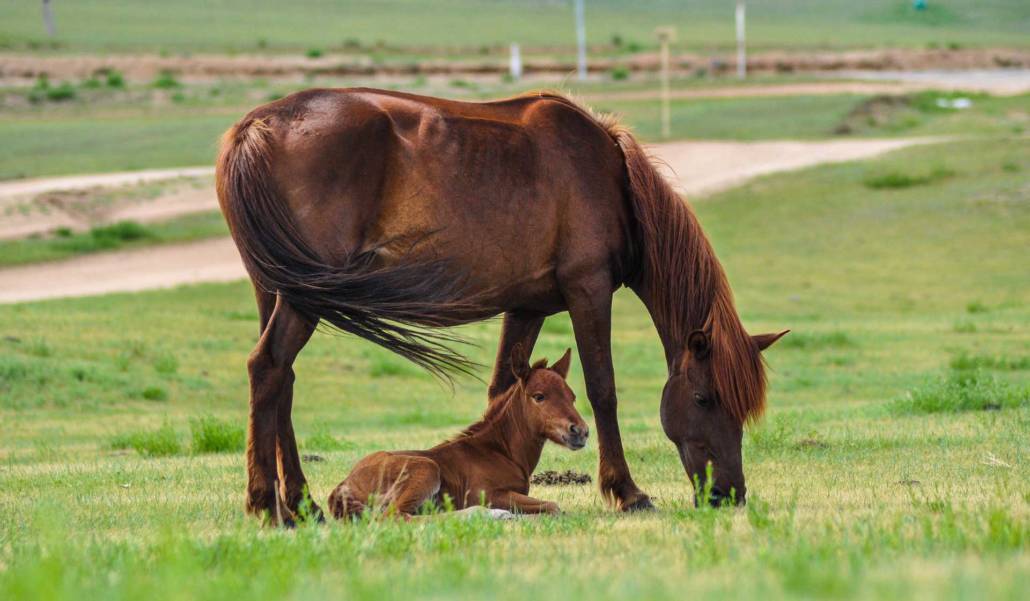
So, your mare successfully delivered a new foal. Congratulations! As this adorable animal opens its eyes for the first time, it’s beautiful to think of all the wonderful things it will experience during its lifetime. Young foals need appropriate care to grow up happy and strong, so we collected some tips to get you started.
What to Expect During the First Months
After birth, make sure that the new foal is breathing. They will need iodine solution on their umbilical stump (don’t cut it immediately), and colostrum to avoid disease transfer. After this, observe the foal from a distance and let the mare bond with her offspring.
They will usually attempt (and eventually succeed) to stand up within the first 30 minutes.
Defecation of meconium also usually happens during the first half-hour. Within the next hour, instinct will kick in and it will likely seek to nurse from its mother and start to vocalize. Have a vet or horse health care professional examine your new foal within 12-24 hours post-birth.
The new foal will continue to nurse for the next few weeks, once or twice per hour. As they age, they will slowly wean off their mother’s milk and eat other horse feed. It’s recommended that the foal is weaned 5-7 months after birth.
New Foal Behavior
As the foal matures, it will spend the majority of its time napping, exploring, nursing, and playing. Socialization with other foals and mares is encouraged, as it stimulates them and gets them used to new surroundings and other people and animals.
Foals will be naturally curious about their surroundings, and often a bit awkward in their movements until they get the whole walking thing mastered. Allow them to explore safe environments with supervision.
Discourage potentially harmful behaviors such as biting and kicking, as these behaviors will not age well. It may be small and cute now, but a full grown horse is very strong and can do some real damage to itself and others if you aren’t careful. A gentle bop on the nose paired with stern vocalization will let the foal know not to do that action. Be consistent with your reprimanding, and not too harsh.
How to Train Your Foal
Exposure, in various aspects, are very important in the early stages of a horse’s life. As I mentioned earlier, having your new foal interact with people, objects, and other animals will discourage fear and aggression. There are many opportunities to train and get them used to their environment – let’s go through a few.
Picking up the new foal’s hoof will get them used to future horseshoe fittings, filing, and other important grooming practices. You can also fit a halter on the foal to get it used to the feel of it, but make sure you are always supervising your foal when it has this on so they do not get tangled or injure themselves by mistake.
Attaching a lead to the halter and practicing walking can also be done, but take your time with this. You can continue to train them as they age, so try not to over-work your new foal. Work in short sessions, pay attention to their body language, and remember to have fun!
Things to Keep in Mind
Phew, that was a lot of information. I know that caring for a foal may seem intimidating because of their fragile nature, but with the correct knowledge and preparation, you’ll have a handle on it in no time.
If you ever have any questions about training or anything related to horse health care, contact the team at BRD Vet Rx. We care for every horse and want to give them the best life that they can have (and have been for almost 100 years!).
by Ivy Bergstrom | Mar 1, 2021 | Animal Health
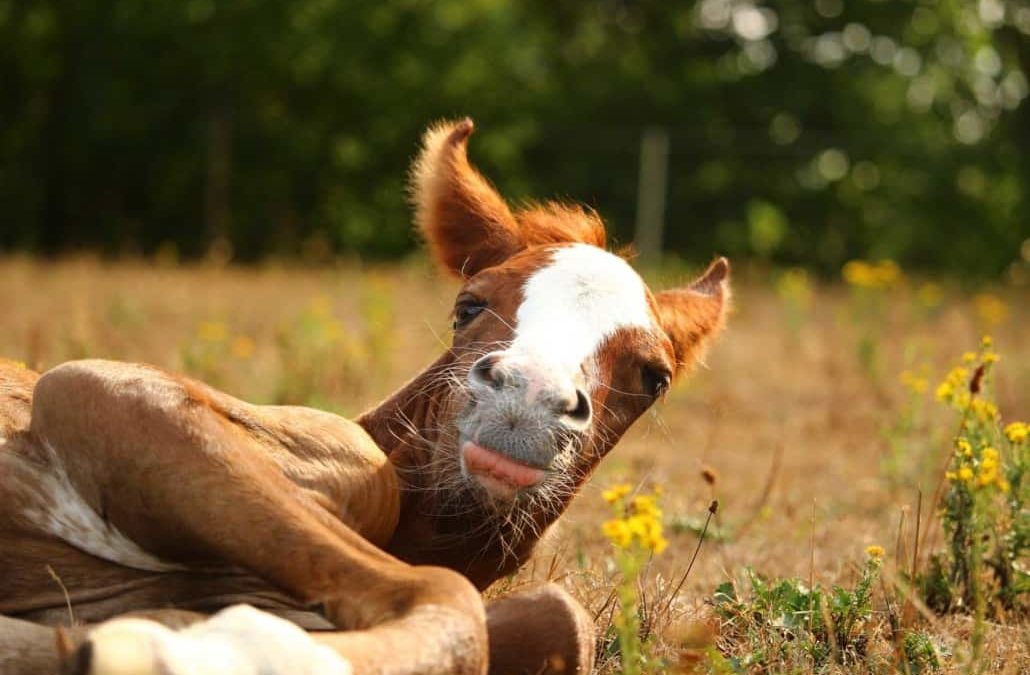
Ah, springtime. The gentle sounds of rain tapping against your window. Fresh flower blooms replacing the dirt ground with a kaleidoscope of colors. A warm breeze sweeping the smells of fresh grass across your nose. Spring represents a new start. Many animals give birth during Spring, horses included. Let’s learn more about horse pregnancy and how those cute foals come to be.
Facts About Horse Pregnancy
What is the Average Horse Gestation Period?
Typically, the gestation period in mares runs around 11 months (330-345 days). If the mare (female horse) gives birth a little earlier or later during this period, it could become a trend for their future pregnancies as well.
Traditionally in the wild, stallions (male horses) breed with mares during the summertime, meaning foals (baby horses) will be born the following spring. The timing happens this way so that the foal will be born when the grass in pastures is abundant and there is warmer weather.
When Can Horses Get Pregnant?
Horses, like other mammals, give birth to a live offspring. Mares can start successfully reproducing as early as 18 months old, but waiting until they reach full size is recommended for health reasons. Mothers are able to have one foal per year into their twenties.
Most healthy foals are able to stand up as soon as 30 minutes after birth (way better than us humans, eh?). They will gain their nutrients mainly through their mother’s milk, although they sometimes nibble on grass and hay as well. The foal might be weaned from their mother around three months, but it depends on the breeder.
How Can You Detect Horse Pregnancy?
There are multiple methods to test if a horse is pregnant. Some test different substances, and some can be performed by a vet or yourself. For the highest level of safety and accuracy, our horse health care team recommends that you seek assistance from a professional. Here are a few methods:
-
Transrectal Palpation
- Your vet will put their hand in the horse rectum and feel the uterus for signs of pregnancy. They will be able to feel things such as the uterine tone, shape of the uterus, and the presence and size of the sac containing the fetus (amniotic vesicle). NEVER try this on your own – for obvious reasons.
-
Ultrasound
- Just like humans, horses can get ultrasounds to detect pregnancy. Once inserted into the rectum, the probe will send sound waves to detect a heartbeat, uterus, and placenta. An image of these can be viewed by external parties. Again, unlikely that you have a spare probe lying around, but leave this one to the professionals.
-
Blood Test
- Blood tests are most accurate between 40-100 days after breeding. They detect PMSG – a protein produced by the endometrial cups (a group of cells from the embryo that stay in the lining of the mare’s uterus temporarily). While there are DIY kits, we still suggest consulting your vet first.
-
Urine Test
- Like blood tests, urine tests can detect pregnancy with a sample. Urine tests sense or deny the presence of Oestrone sulphate, which is released from the fetus/placenta. DIY kits are available – just discuss it with your vet first.
How To Take Care of A Pregnant Horse
Horse pregnancy is a long process, but seeing the miracle of a foal being brought into the world will make the wait worth it. While you wait, make sure that your pregnant horse is getting the care that it needs.
You’ll have to make some adjustments to your daily horse routine, such as cleaning habits, diet, and more vet visits. Some exercise and training is ok, but knowing to start small and when to stop will ensure the health and happiness of your mare and the foal. These steps will make a big difference.
Looking For More Horse Pregnancy Help?
Learn more about how to care for your pregnant horse here. And if you have any questions about horse pregnancy at any point – don’t hesitate to reach out to a professional. Your vet, breeder, and horse health care specialists from BRD Vet Rx will be eager to help.